
We find the leak, fix it, and recharge your AC.
Refrigerant Leak Repair New York NY Done Right the First Time
When your AC blows warm air or your energy bill spikes, refrigerant leak repair New York NY is the fix. We serve homeowners and businesses across Queens County, Brooklyn, and Manhattan. Our EPA-certified techs use electronic leak detectors and manifold gauge sets to pinpoint the loss, repair the line, and recharge your system with R-410A or R-32. You get cold air back, often the same day.
Live phone supportUpfront optionsBacked workmanship
What's included
What Our Refrigerant Leak Repair Includes
Every leak repair includes detection, repair, vacuum, recharge, and a final performance test. We do not charge extra for the vacuum or the first pound of refrigerant. If the repair needs a part, we quote it before we install it.
Electronic Leak Detection
We use an electronic leak detector and nitrogen pressure testing to find the exact leak point. You get a photo or a detector reading that shows where it is. No guessing, no replacing parts that are fine.
Leak Repair or Part Replacement
We braze line set leaks, replace Schrader valves, and swap failed coils. If the leak is in a component under warranty, we handle the claim. Most repairs are completed in the same visit.
Deep Vacuum to 500 Microns
We pull a vacuum with a vacuum pump and hold it for 15 minutes. This removes moisture and non-condensables that shorten compressor life. Skipping this step is why some repairs fail in a month.
Refrigerant Recharge by Weight
We weigh in the exact charge your system calls for, whether that is R-410A, R-32, or R-22. We do not guess by pressure. You get a tag on the unit showing the refrigerant type and amount added.
Performance Test and Report
We run the system, check pressures, temperatures, and amp draw, and confirm the leak is sealed. You get a written summary of the repair, the refrigerant added, and the warranty terms.
Service overview
What Refrigerant Leak Repair New York NY Actually Involves
Refrigerant leak repair New York NY is the process of finding where refrigerant escapes from your air conditioning system, sealing that leak, and restoring the correct charge. Refrigerant does not get consumed like fuel. If you are low, you have a leak. We start with a nitrogen pressure test and electronic leak detector to find the exact spot. Common leak points include the evaporator coil, condenser coil, line set, and Schrader valves. Once we locate it, we repair or replace the faulty component, pull a deep vacuum with a vacuum pump, and weigh in the exact charge your system needs.
In New York, AC systems run hard from June through September, and many buildings in Queens and Brooklyn have older units still holding R-22. That refrigerant is phased out under EPA Section 608, so leaks in those systems need careful handling. If you search for refrigerant leak repair near me new york NY, you will find plenty of companies. Fewer will show you the leak with an inspection camera before they quote a repair. We do. We also check for frozen evaporator coils and dirty condenser coils, because both can mimic a low-charge problem.
How we workWe verify the cause, compare realistic options, and confirm the repair before we leave.
The service timeline
Our Refrigerant Leak Repair Process
The process flexes to the condition, but these checkpoints keep decisions clear.
Diagnostic Visit
We arrive, check your thermostat settings, and measure supply and return air temperatures. A split under 15 degrees points to low charge. We attach a manifold gauge set to read suction and liquid pressures, then compare them to the manufacturer's chart for your outdoor temperature. This takes 20-30 minutes and tells us whether you have a leak or a different problem.
Leak Detection
We use an electronic leak detector and, when needed, pressurize the system with nitrogen to about 150 PSI. We check every joint, the evaporator coil, condenser coil, line set, and service valves. If the leak is hidden behind a wall or in the coil, an inspection camera lets us see it without tearing anything apart. Most leaks are found within 45-60 minutes.
Repair and Parts
Once we find the leak, we repair it. That may mean brazing a pinhole in the line set with a torch kit, replacing a Schrader valve, or swapping a failed evaporator coil. We use a tube cutter and flaring tool for line work. If the leak is in the coil and the coil is under warranty, we handle the paperwork. Most repairs take two to four hours.
Vacuum and Recharge
After the repair, we connect a vacuum pump and pull the system down to 500 microns. This removes moisture and air that would otherwise damage the compressor. We hold the vacuum for 15 minutes to confirm it stays. Then we weigh in the exact refrigerant charge your system calls for, whether that is R-410A, R-32, or R-22.
Test and Verify
We run the system for 20-30 minutes and recheck pressures, temperatures, and amp draw on the compressor. We confirm the leak is sealed by watching the gauges hold steady. You get a written summary of what we found, what we fixed, and the refrigerant added. If anything is still off, we stay until it is right.
Tools & methods
Tools and Methods We Use for Leak Repair
Purpose-built equipment, used by trained technicians, so the job is done accurately the first time.
Electronic Leak Detector
Sniffs out refrigerant molecules at leak points. We use it to confirm the exact location before we open a line or replace a part.
Manifold Gauge Set
Reads high and low side pressures. We compare readings to manufacturer charts to confirm low charge and diagnose compressor issues.
Vacuum Pump
Pulls the system down to 500 microns to remove moisture and air. We hold the vacuum for 15 minutes to prove it holds.
Refrigerant Recovery Machine
Recovers refrigerant before repairs so it can be recycled or reclaimed. Required by EPA Section 608 for any system opening.
Inspection Camera
Lets us see leaks inside walls, behind coils, or in tight spaces without cutting open finished surfaces.
Torch Kit and Flaring Tool
Used to braze line set leaks and create clean flares on mini-split connections. Proper flares prevent future leaks.
Clamp Meter
Measures amp draw on the compressor and fan motors. High amps after a recharge can signal a failing compressor.
Use cases
When New York Customers Call Us for Leak Repair
These examples show how the service framework adapts rather than forcing every call through one repair.
Long Island City Mini-Split Flare Leak
A condo owner in Long Island City had a Mitsubishi Electric mini-split blowing warm air. The unit was only three years old. We found a leaking flare connection at the outdoor unit, likely from a poor install. → We cut the old flare, re-flared the line with a flaring tool, torqued it to spec, vacuumed the system, and recharged with R-32. The mini-split cooled the room to setpoint within 20 minutes. The repair cost $380 instead of a $2,000 replacement.
Flushing Rooftop Unit Vibration Leak
A restaurant in Flushing was recharging its rooftop unit every three weeks. The manager was spending $400 per visit. We pressure-tested the line set and found a rub-through where copper touched a metal hanger. → We repaired the line, added a protective sleeve, pulled a vacuum, and recharged with R-410A. The unit held its charge through the rest of the summer. The owner saved $600 in emergency calls and stopped losing cooling during dinner service.
Problems we solve
Problems We Solve With Refrigerant Leak Repair
If your AC is not cooling, icing up, or costing more to run, a refrigerant leak may be the cause. We fix the leak and restore performance.
AC blows warm air on a 95-degree day
We check pressures with a manifold gauge set. If charge is low, we leak-test the system, find the leak, repair it, and recharge. Most customers have cold air back the same day.
Indoor coil freezes into a block of ice
We thaw the coil, find the leak that caused the low pressure, and repair it. We also check the air filter and blower motor, since restricted airflow can cause the same symptom.
System needs a recharge every season
We perform a full leak detection with nitrogen and an electronic detector. We repair the leak, pull a vacuum, and recharge. You stop paying for the same visit.
Hissing or bubbling sound near the outdoor unit
We inspect the service valves, line set, and coil. A Schrader valve or flare leak is often a quick fix. We repair it, test it, and recharge the system.
Pricing process
Refrigerant Leak Repair Pricing in New York
$250 - $1,800 depending on leak location and parts
Leak Location
An accessible line set leak is the cheapest to fix. A leak inside an evaporator coil or behind a wall takes more labor and may require parts. Coil leaks often mean replacement rather than repair.
Refrigerant Type
R-410A and R-32 are common and moderately priced. R-22 is phased out and expensive, often $100-$150 per pound. If your system uses R-22, we discuss whether a recharge is worth it.
Parts Needed
A Schrader valve costs a few dollars. A new evaporator coil can cost $400-$900 for the part alone. We quote parts before we install them and check warranty coverage.
Customer reviews
What Customers Say About Our Leak Repairs
★★★★★
“Our AC was blowing warm air for a week. Two other companies just wanted to recharge it. These guys found a pinhole leak in the line set with an electronic detector and showed me the oil stain. They brazed it, pulled a vacuum, and recharged with R-410A. That was in July. It is still blowing cold and we have not added a pound since.”
★★★★★
“We manage a 12-unit building and had three units low on charge. They leak-tested all three, found a failed Schrader valve on one and a coil leak on another. Fixed both, recharged, and gave us a written report for each unit. The tenants stopped calling. That is all I needed.”
★★★★★
“I called about a hissing sound near my outdoor unit. The tech arrived same day, confirmed a leak at the service valve, and repaired it in under three hours. He also cleaned my dirty condenser coils while he was there. My electric bill dropped about $40 the next month. Fair price, no upsell.”

How much does refrigerant leak repair cost in new york NY?
Most refrigerant leak repairs in New York run $250-$850 for the repair itself, plus $75-$150 for the refrigerant recharge. A simple Schrader valve replacement sits at the low end. An evaporator coil replacement runs higher, often $900-$1,800 installed. Leak detection alone is $150-$300. If you have an AC freon leak repair cost new york NY quote that seems too low, ask whether it includes the recharge and vacuum.
How do I know if my AC has a refrigerant leak in new york NY?
Three signs point to a leak: your AC blows warm air, the outdoor unit runs but the indoor coil ices up, or you hear a hiss near the line set. A system that needs recharging more than once every two years has a leak by definition. We confirm with a manifold gauge set and electronic leak detector. If you see oil residue on a copper line, that is a strong sign.
Can I just recharge my AC refrigerant in new york NY?
You can, but it will not last. Refrigerant does not wear out or get used up. If you are low, it leaked out. A recharge without a repair buys you weeks or months, then you pay again. Worse, running low on charge damages the compressor. We repair the leak first, then recharge. That is the only fix that holds.
How long does refrigerant leak repair take in new york NY?
Most repairs take two to four hours from arrival to final test. Leak detection adds 45-60 minutes. If the leak is in an accessible line set, we finish the same visit. If we need to order an evaporator coil or condenser coil, we schedule a return visit, usually within two to three days. We give you a time window and call ahead.
Related services
Related Services
Air Conditioner Installation
If your system is over 15 years old and has had multiple leaks, replacement may cost less than repeated repairs. We install Carrier, Trane, and Daikin systems sized to your space.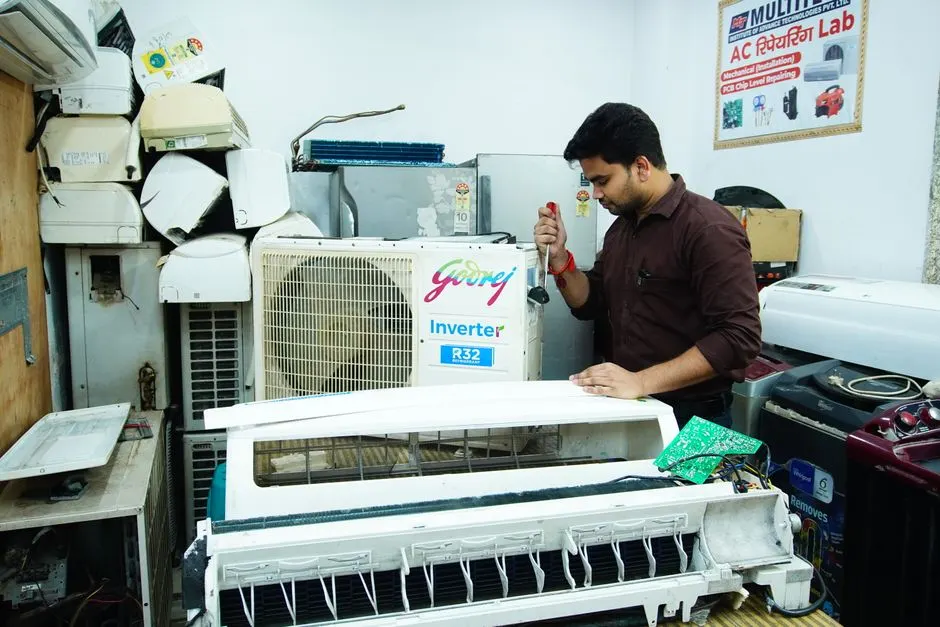
Air Conditioner Maintenance
Annual maintenance catches small leaks before they drain your charge. We clean coils, check pressures, and tighten connections. Customers on our plan get priority scheduling.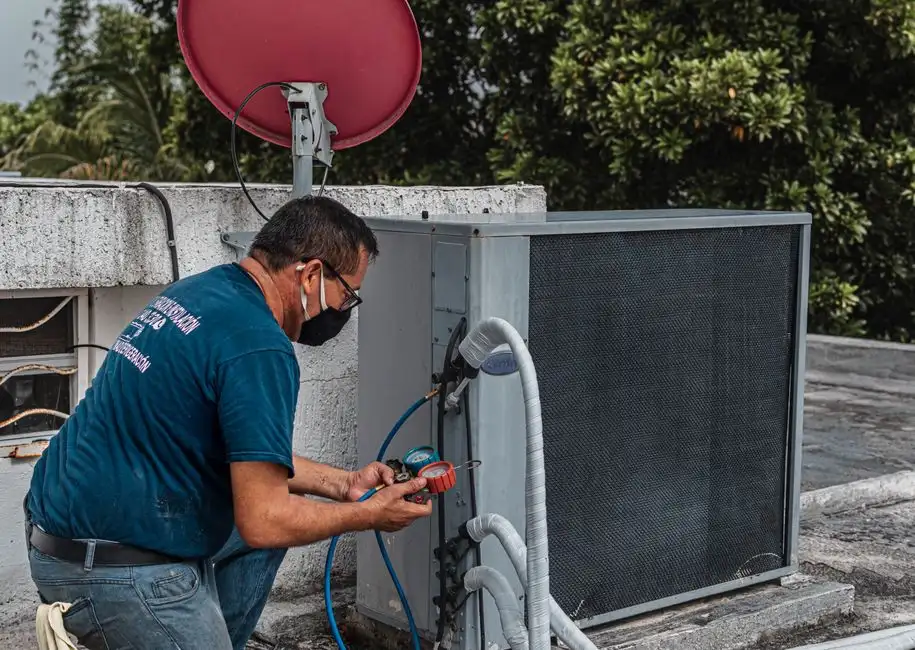
Central Air Conditioning Repair
Leaks are one of many central AC problems. We also fix compressor failures, capacitor failures, blower motor failures, and thermostat malfunctions. One call covers it all.Ready when you are
Get Refrigerant Leak Repair New York NY Today
We find the leak, fix it, and recharge your system so you get cold air back. Our techs are EPA-certified and carry R-410A and R-32 on every van. Call now for same-day service.
Talk with the local team
Request Refrigerant Leak Repair
Call us any time, day or night, and a real person picks up. We book same-day slots for most calls and text you the tech's name and arrival window. If you prefer email, send us your address and a quick description of the problem, and we will get back to you within the hour during business hours.